In Nigeria, a party is never just a party. It is a cultural production.
Whether it is a 1,000-guest Lagos wedding, a milestone birthday in Abuja, or a multi-day festival, the Nigerian “Owambe” is a multi-billion-dollar economy. It is vibrant, loud, and breathtakingly beautiful.
But behind the perfectly draped halls and the endless trays of smoky Jollof rice, there is a silent, exhausting gamble taking place. It is a gamble every event host makes the moment they transfer a deposit to a vendor.
Will the photographer actually show up on time? Will the decorator’s setup look anything like the mood board? Will the caterer run out of food when only half the guests have eaten?
In the Nigerian event space, this gamble has a name. It is the infamous “What I ordered versus what I got” phenomenon. And for years, it has been the biggest tax on our joy.
Here is why it happens, and more importantly, how the simple architecture of the “verified review” is finally fixing it.
The Illusion of the Instagram Grid
The root of the vendor problem in Nigeria is not a lack of talent. We have some of the most gifted creatives and hospitality experts in the world. The problem is a total lack of regulation.
Anyone can buy an iPhone, create an Instagram page, and declare themselves a premium event vendor.
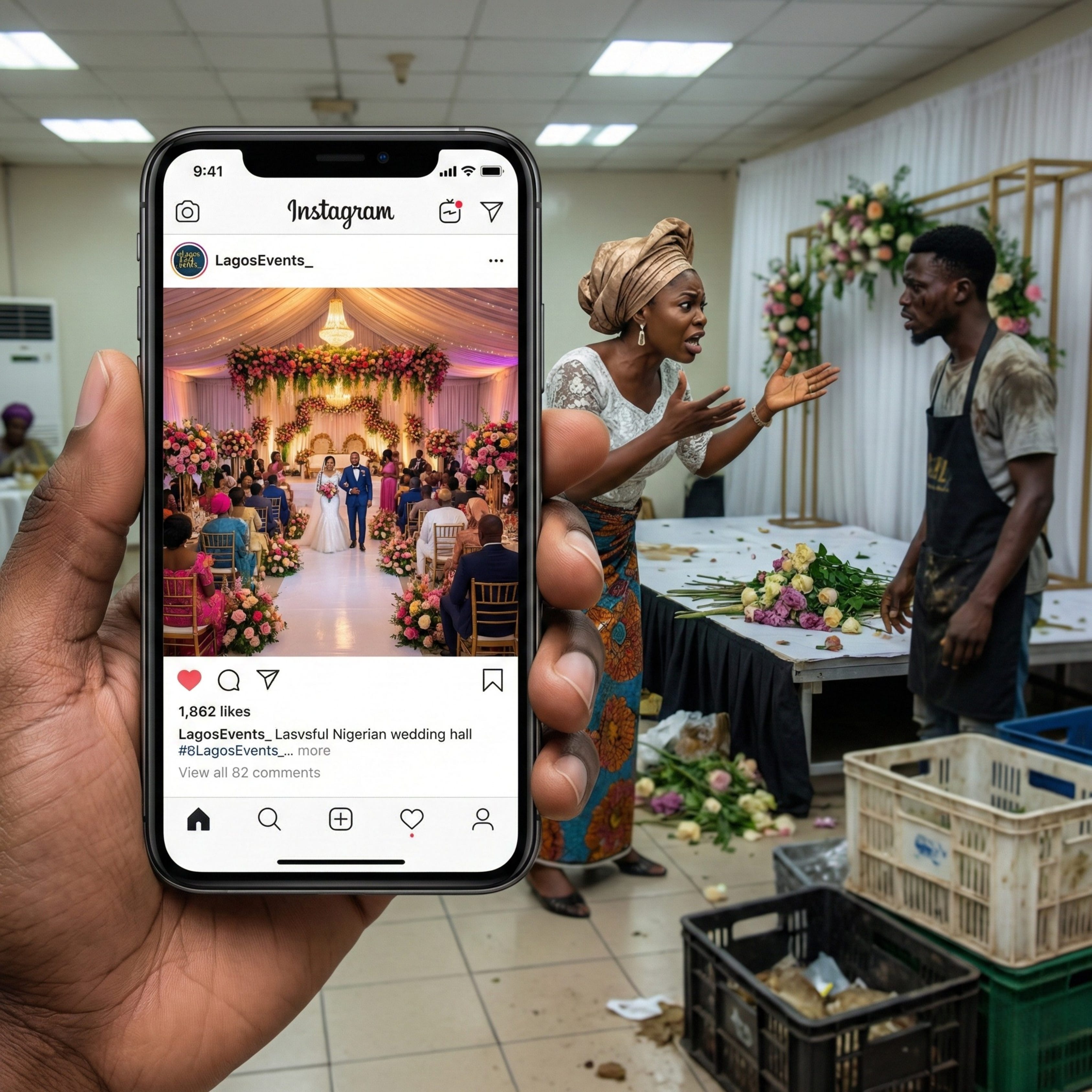
In a digital world, a vendor’s Instagram grid acts as their storefront. But a grid is highly curated. It is a highlight reel. A decorator will proudly post a close-up photo of a stunning floral centerpiece, but they will conveniently leave out the fact that they arrived four hours late, yelled at the bride’s mother, and left the venue a mess.
Social media allows vendors to sell a premium aesthetic without delivering a premium experience. And because the industry relies so heavily on aesthetics, clients are constantly falling into the trap of buying a beautiful picture, only to receive a nightmare reality.
Why Traditional “Word of Mouth” is Failing

Historically, Nigerians solved this by relying on close-knit networks. You hired the caterer your aunt used last year. You booked the makeup artist your best friend recommended.
But as the industry has scaled, our networks haven’t. You cannot plan a modern, complex event relying solely on the contacts in your mother’s phonebook. You have to step out into the open market. And in the open market, traditional word-of-mouth fails because it does not scale.
If a vendor ruins an event in Lagos on a Saturday, a client in Port Harcourt might blindly book them on a Tuesday, completely unaware of the disaster that just occurred. The bad vendor gets to hit the reset button with every new client. There is no permanent record of their incompetence.
The Power of the Permanent Record

This is where the paradigm shifts. This is why the digital review is the most powerful regulatory tool we have.
A review does something a beautifully curated Instagram photo cannot do: It democratizes the truth.
When reviews become the central currency of an industry, the power dynamic changes instantly. A vendor is no longer just accountable to the client in front of them; they are accountable to the permanent, public record of their business.
Suddenly, customer service is no longer optional. Punctuality is no longer a luxury. Professionalism becomes a survival requirement.
But there is a catch: The reviews must be real.
We’ve all seen businesses with hundreds of fake five-star reviews bought from click-farms or written by the vendor’s cousins. For a review system to actually fix an industry, it has to be bulletproof.
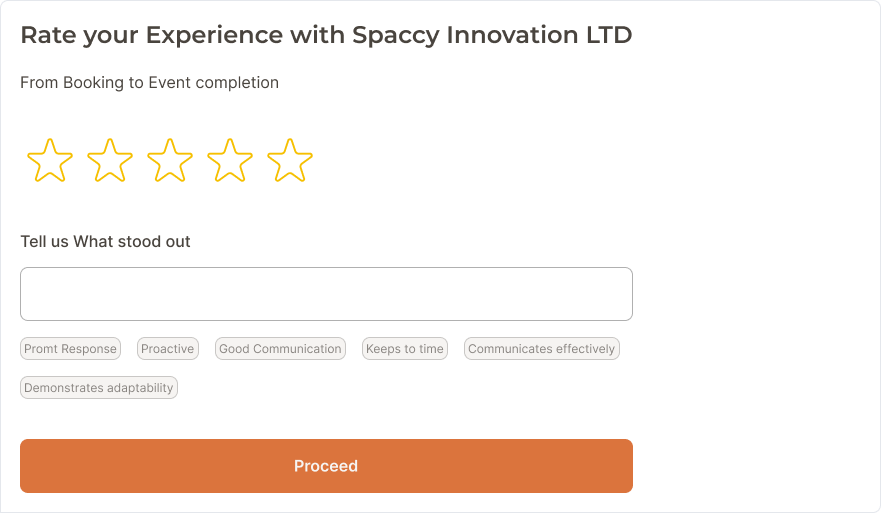
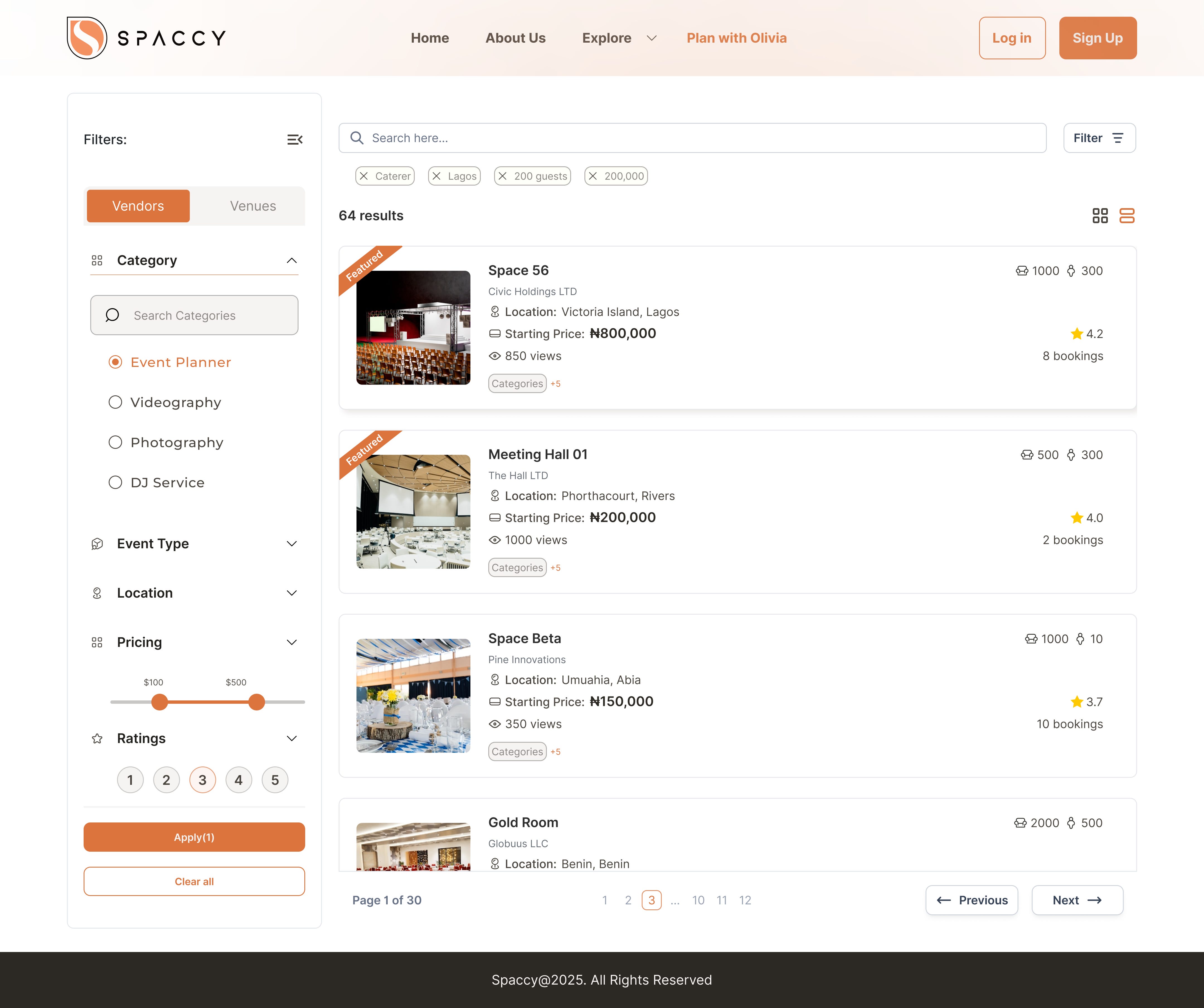
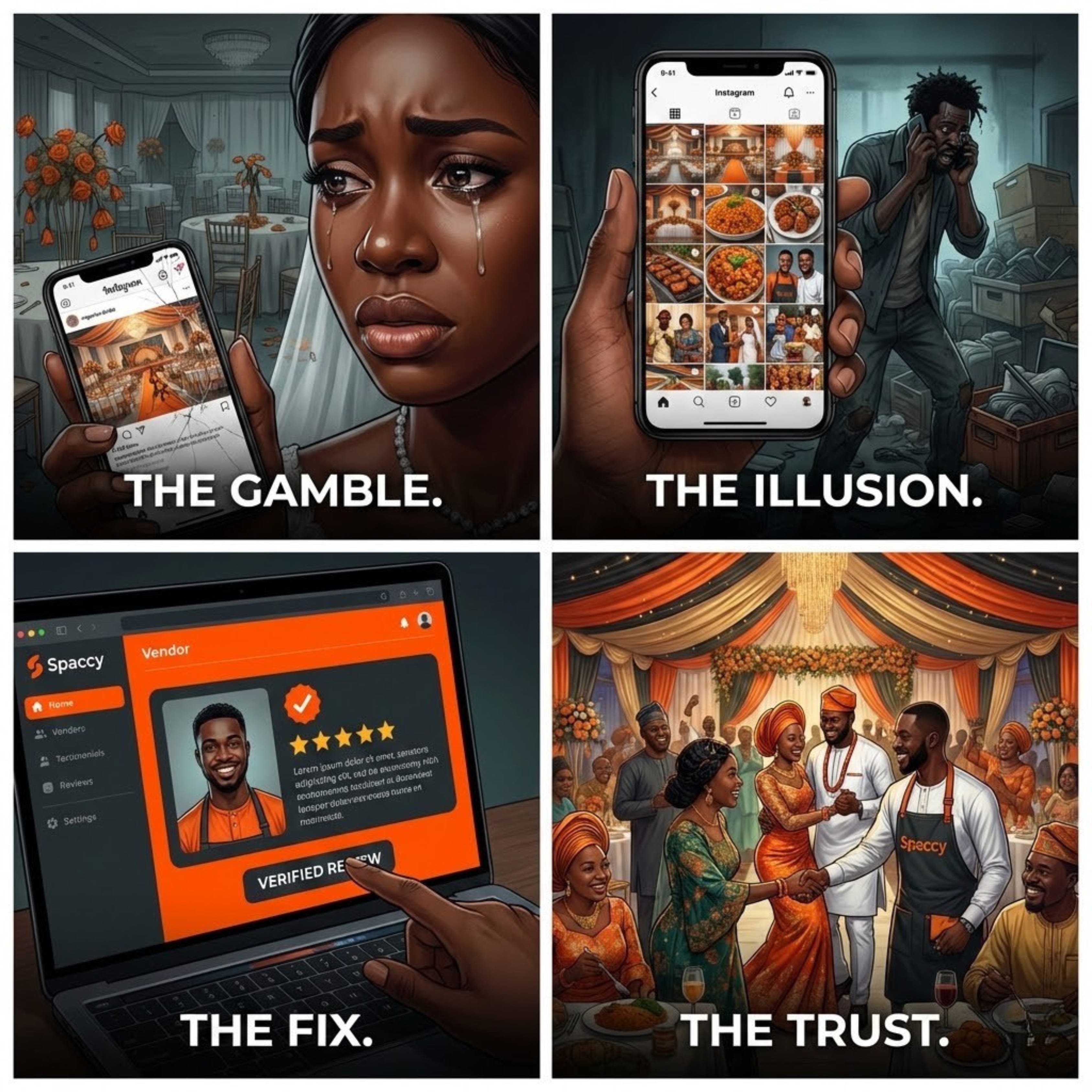
This was the core philosophy behind how we built the infrastructure at Spaccy. We realized that a review is only valuable if it is attached to a verified financial transaction. On a closed-loop platform, you cannot review a vendor unless you have actually booked them, paid them, and completed an event with them.
This kills the fake review economy entirely. It leaves only the truth.
Building a High-Trust Economy
When you introduce a verified review system into an unregulated market, something incredible happens. The market naturally cleans itself up.
The charlatans, the ones who survive on slick marketing and poor delivery, are quickly exposed and forced out. Meanwhile, the genuine professionals, the vendors who go above and beyond, who treat clients with respect, and who deliver exactly what they promised, are rewarded with a permanent monument to their hard work.
Their five-star reviews become an unstoppable sales engine. They no longer have to beg for deposits or justify their pricing, because fifty past clients are doing the selling for them.
The Global Lesson
While this is a deeply Nigerian context, the lesson is universal.
Whether you are booking a private chef in London, a DJ in New York, or a decorator in Lagos, you are not buying a product. You are buying a promise.
As consumers, we need to stop buying promises based on aesthetics, and start buying them based on track records.
The next time you are planning an event, by all means, look at the beautiful photos. Admire the grid. But before you send that deposit, look for the reviews.
Because a photo shows you what a vendor is capable of doing on their best day. A verified review tells you what they will actually do on yours.